
Being a human-focused product designer means being on the side of the people you’re designing for. The most successful experiences are those that do the heavy lifting and make the work invisible.
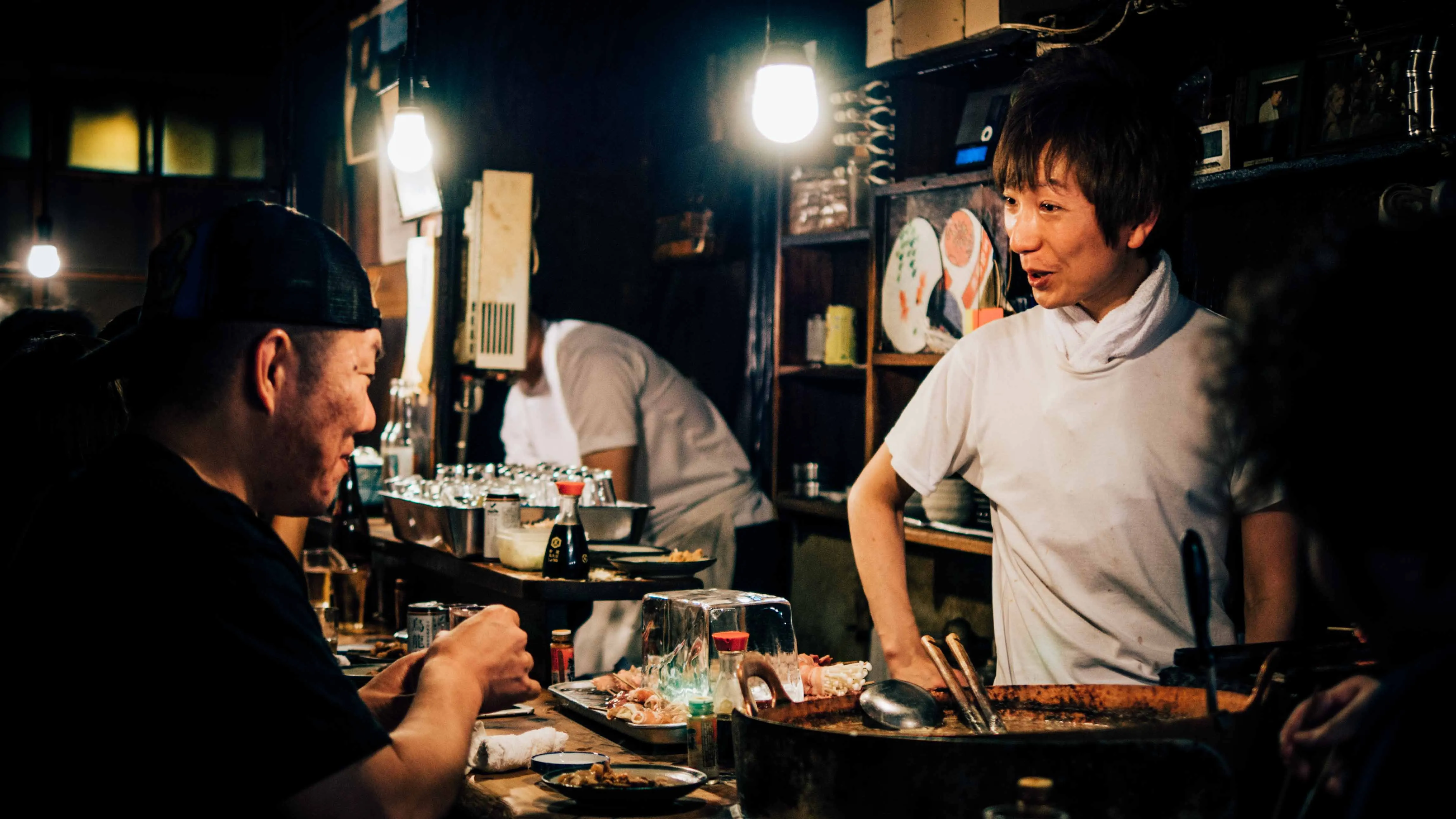
I’ve often been inspired in my work by the experiences I’ve had in restaurants. Restaurants create a moment in time where - when done well - the world disappears, and we become the sole focus. Our conversations with friends, shared plates, and a memory of a celebration or just a simple dinner out. In restaurateur Danny Meyer’s book “Setting the Table,” he talks about this magic, and labels it “hospitality”:
“Hospitality exists when you believe the other person is on your side. The converse is just as true. Hospitality is present when something happens for you. It is absent when something happens to you.”
Through that lens, product designers are in the business of hospitality as well. People are looking at your product as the enabler of their success, whatever their need might be.
In the context of asking the people using your product to do work, to take on the burden of making decisions, tapping through flows, answering more questions, how hospitable are you now? How might you be inspired by the best hospitality experiences as you release new and more self-guided features? How might you take the burden off their shoulders, and take it on yourself?
Designing products to be a host
In service of the experience that gets people the outcome they desire, without feeling like they’ve done a moment of heavy lifting, you might bring the right prompt, content, narrative at the moment someone needs it. You’d anticipate the next stage of their journey, with a celebration of progress and a challenge that motivates them to their next level. You might think of how an amazing host treats you.
- Expertly recommend: The best servers are experts in their menu and pairings, taking into consideration personal preferences and needs. Could you simplify complex sign up interactions to a few quick taps, and gather the data you need in a distributed and playful manner so you can treat them personally, without them feeling like you’re prying?
- Silently anticipate: In a perfect hospitality experience, your water glass is never empty, and you’ve never noticed a refill. Could you provide a meaningful engagement prompt into someone’s morning routine, as they wait for the train or elevator and want to pass the time? What if you thought of the perfect moment this person wants to engage, rather than the same push notification for everyone?
- Personally delight: There is a database of guest preferences at Danny Meyer restaurants. Birthdays, likes and dislikes, and seating choices are stored and referenced on the next visit. Could you delight people with an experience that is different than their friend or colleagues’, one that gets them something fun and unique, but also relevant to why they use your product?
Meyer has another principle in the way he thinks about his restaurants, “Business, like life, is all about how you make people feel.” I’m excited by creating an empowering, human-focused product that lifts people up in an honest and meaningful manner. I wonder how we as product designers might challenge ourselves to ask how we might make each person feel like we’re personally on their side.